Biohazard Cleanup
Safe, careful removal of bodily fluids and other infectious material, finished with hospital-grade disinfection.
Learn more →Pennsylvania · Philadelphia County
Has a crime, an accident or an unattended death left a mess in Glenwood? Police and paramedics do not clean up afterward, so you need cleaners to remove blood, bodily fluids and contaminated materials. Call (877) 812-4220.
If anyone is in danger, call 911 first. For a suicide crisis, call or text 988.
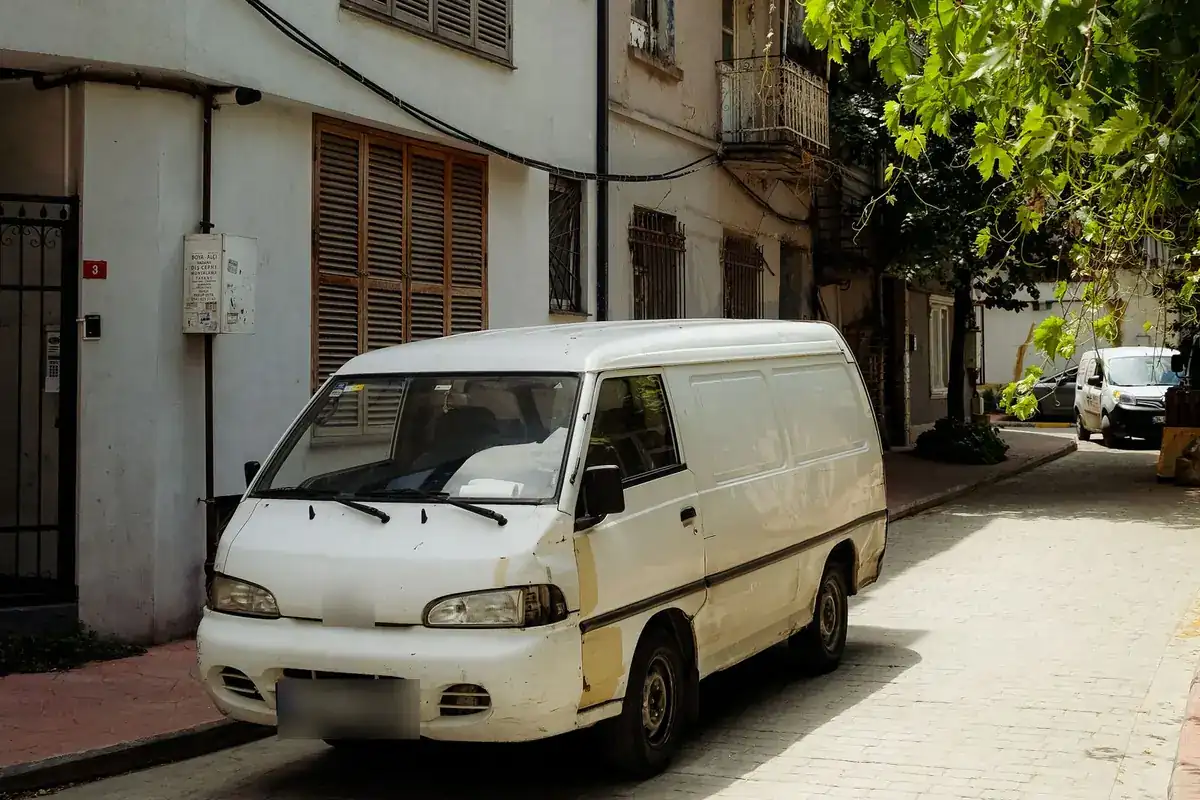
Biohazard cleanup is the professional removal, cleaning and disinfection of blood, bodily fluids, decomposition, sewage and other infectious materials after a death, crime, accident or illness. In Glenwood, you can get this local biohazard cleaning for homes, apartments, rental properties, churches, businesses and vehicles.
Teams do the heavy lifting: removing carpet, padding and drywall that cannot be cleaned, bagging regulated waste, disinfecting hard surfaces and treating odor at the source. The service area runs from Glenwood to Stanton, Tioga and Philadelphia.
With roughly 3,948 residents, Glenwood is a small community, and biohazard cleanup is available here the same way it is in a big city. Older adults make up about 15% of residents in Philadelphia, below the Pennsylvania average, so calls come from a broad mix of situations, including accidents, crime scenes and rental turnovers.
Blood and bodily fluids can carry bloodborne pathogens, even after they dry. That is why biohazard cleaners follow OSHA's Bloodborne Pathogens Standard, 29 CFR 1910.1030, and put on gloves, respirators, boot covers and disposable suits before they enter the affected area.
Sealing, cleaning, disinfecting and ventilating work together. Plastic barriers and HEPA air scrubbers hold contaminants in place, EPA-registered disinfectants do the germ kill, and hydroxyl or ozone treatment clears the odor that is left.
Get residential biohazard cleanup and commercial work in Glenwood, with a wide range of services, so one call can sort out a death, a spill, a backup or a hoarded property.
Safe, careful removal of bodily fluids and other infectious material, finished with hospital-grade disinfection.
Learn more →Cleanup after violent crimes, break-ins and assaults, using protective gear and EPA-registered disinfectants.
Learn more →Contaminated carpet, drywall and debris removed, with every affected surface disinfected and inspected.
Learn more →Cleaning, disinfection and odor removal after a death that was not found right away.
Learn more →Compassionate cleaning after a loss, with keepsakes set aside and the room returned safe.
Learn more →Respectful homicide cleaning that removes blood, bodily fluids and odor after investigators release the scene.
Learn more →Blood clean up service with protective gear, EPA-registered disinfectants and sealed disposal of contaminated waste.
Learn more →Bodily fluid cleanup for blood, vomit, urine and feces, with disinfection and safe waste disposal.
Learn more →Waste cleanup after neglect, illness or a long absence, handled privately and without judgment.
Learn more →Odor control for landlords, buyers and families whose property still smells after a loss.
Learn more →Hauling, disinfecting and odor removal for crowded homes, without judgment or pressure.
Learn more →Hoarding cleanouts for estates, sales and rentals, done carefully and without judgment.
Learn more →Respectful animal hoarder cleanup for owners, landlords and families, done step by step.
Learn more →Hoarding and filth cleaning that restores a home for living, repairs or a new tenant.
Learn more →Category 3 cleanup with protective gear, sealed disposal and EPA-registered disinfectants.
Learn more →COVID-19 cleanup and coronavirus disinfection of high-touch surfaces, bedrooms, bathrooms and shared rooms.
Learn more →Cleaning first, disinfecting second: a careful process that targets the germs, not only the stain.
Learn more →Biohazard waste pickup and disposal for homes, small clinics and care facilities across your area.
Learn more →Safe syringe pickup for places where children, pets or customers could be at risk.
Learn more →Discreet drug residue cleanup for rentals, homes, hotels and businesses, with protective gear throughout.
Learn more →Meth lab cleanup: residue testing, removal of contaminated materials and decontamination of the property.
Learn more →Careful fentanyl cleanup that avoids dry sweeping, controls dust and seals contaminated waste.
Learn more →Chemical spill cleanup with containment, decontamination and records for insurers, buyers and inspectors.
Learn more →Hazmat cleaning for pavement, soil, buildings and equipment, with protective gear and lawful waste disposal.
Learn more →Pepper spray cleanup that lifts oily residue from surfaces without spreading it to clean rooms.
Learn more →Safe wet-clean removal of mouse and rat droppings, nests and soiled insulation from attics and crawl spaces.
Learn more →Histoplasmosis-aware cleanup with respirators, HEPA filtration and sealed disposal of guano.
Learn more →Carcass cleanup of fluids and soaked insulation, carpet and drywall that cannot be saved.
Learn more →Hazmat car cleaning with protective gear, EPA-registered disinfectants and sealed disposal of contaminated parts.
Learn more →Injury scene cleaners remove soaked materials, treat odor and prepare records for employers and insurers.
Learn more →Biohazard cleaning for commercial and industrial sites, from restrooms and break rooms to warehouse floors.
Learn more →Estate cleanout after a death, handled step by step at the family's pace.
Learn more →The first step is deciding what is unsafe and how far the contamination goes. Hazards such as sharps, broken glass or sewage are noted before anyone starts.
Doors are closed off, air handling is controlled and the work zone is marked. Family members, pets and neighbors stay clear.
Contaminated porous materials such as carpet, padding, drywall and mattresses are removed. Hard surfaces are deep cleaned and disinfected with hospital-grade products for the full contact time.
When the job is done, the family receives the paperwork they need for claims and a clear description of what was removed and treated.
One biohazard cleanup company covers removal, disinfection, odor removal and damaged materials, so the family can step back.
Death odor and sewage smell are treated with air scrubbers and hydroxyl or ozone equipment, not masked with sprays that fade.
Blood, decomposition, sewage, sharps, hoarding, drug residue and infectious disease all fall under one call, with the right method for each.
At crime and death scenes, work waits for law enforcement or the investigator to release the property. Nothing is disturbed before that.
Biohazard cleanup in Glenwood, Philadelphia, PA typically costs $500 to $25,000, depending on the type of biohazard, the size of the affected area and how far fluids soaked into porous materials.
Most residential jobs cost $3,000 to $5,000 (Fixr). Two jobs that look alike can cost very different amounts. Hard flooring can be disinfected in place, while soaked carpet, padding and subfloor must be removed and replaced, which adds labor and waste disposal.
| Type of job | Typical range |
|---|---|
| Blood spill cleanup, small area | $500 - $2,500 |
| Crime scene cleanup, most homes | $1,500 - $7,500 |
| Unattended death cleanup | $2,000 - $7,000 |
| Suicide cleanup | $1,500 - $5,500 |
| Sewage cleanup, most homes | $2,000 - $10,000 |
| Hoarding cleanup, level 3 home | $2,000 - $5,000 |
| Meth lab cleanup, typical | $15,000 - $20,000 |
Estimates only, not a quote. Sources: Fixr, Yelp Costs, BioCleaners Directory, PushLeads, Dropcurb, Bob Vila and cleanup company cost guides. Call (877) 812-4220 to talk through the job.
Families should never have to clean up after a suicide. Discreet suicide cleanup removes all traces with care and respect. Crisis support is available any time at 988.
An average July high of 89 degrees in Glenwood speeds up decomposition after a death. The sooner the scene is released and cleaned, the less the odor and fluids spread.
About 83% of homes in Philadelphia were built before 1980, and older carpet, subfloor and trim hold fluids deeper, which can mean more material to remove.
Cars, trucks and work vehicles can carry biohazards after an accident, assault or medical event. Vehicle cleanup removes contaminated upholstery and disinfects every surface and vent.
Hoarder homes can hide rotting food, animal waste, mold and pests, along with fire and structural hazards. Hoarding cleanup sorts belongings and restores a livable condition.
Homes, churches and businesses may need infectious disease disinfection, needle and sharps cleanup, or meth lab and fentanyl decontamination after a property is released.
Knowing the basic types and job sizes makes the first phone call easier. Describe what happened and where, and a cleanup specialist can tell you which category the job likely falls into.
Describe what happened, where it is, how big the area is and whether police have released the scene. Mention any insurance claim, pets, valuables or access issues. The more detail you share, the clearer the plan and cost range can be.
The body is removed by a funeral home or the authorities. Cleaning the room afterwards is not their job; the family, landlord or estate hires biohazard cleaners for death cleanup, decomposition removal and odor removal.
It means discreet removal of blood, bodily fluids and affected materials, followed by full disinfection and odor treatment, so the family never has to face the scene. If you or someone you know is thinking about suicide, call or text 988 to reach the 988 Suicide and Crisis Lifeline.
OSHA's Bloodborne Pathogens Standard, 29 CFR 1910.1030, sets rules for protective equipment, handling, training and disposal when workers face blood or other potentially infectious materials. Biohazard cleanup crews follow it on every job.
Call 911 if anyone is in danger. Keep everyone out of the affected area, do not clean anything, and wait for law enforcement to release the scene. Then call your insurance company and a biohazard cleaning company to plan the cleanup.
Funeral homes and the authorities remove the person. Biohazard cleaners, also called crime scene cleaners or trauma cleanup crews, clean the property afterwards, including fluids, affected materials and odor.
The nearest emergency room is Temple University Hospital in Philadelphia, about 1 miles from Glenwood. In any emergency, call 911 first. Cleanup waits until people are safe.
They can. About 83% of homes in Philadelphia were built before 1980, and older carpet, subfloor and trim absorb fluids deeply. The crew inspects each home to see how far the contamination went.
Looking for a biohazard cleanup company close to Philadelphia? You can get crime scene, death and trauma cleanup in Stanton, Tioga and Philadelphia, as well as around Glenwood. Call Glenwood Biohazard Cleanup Help to ask.
Call (877) 812-4220 day or night and a cleanup specialist will answer.
Call (877) 812-4220